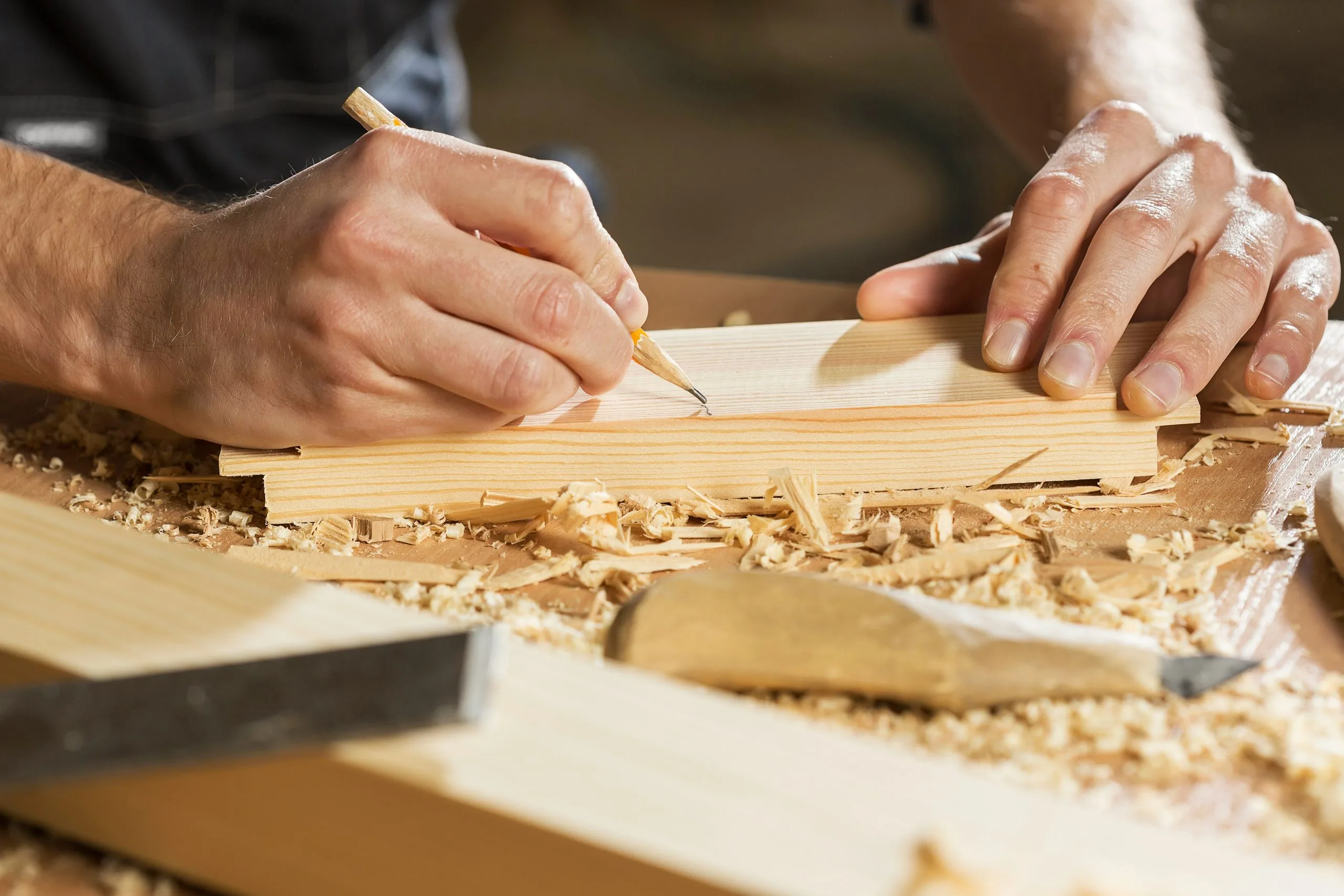
For most people, a slat wall is a manageable do-it-yourself project. If you can measure accurately, cut straight, and keep even spacing between the slats, you can do it yourself. Demanding rooms such as sloped ceilings, wet rooms, or outdoors, or a wish for a perfect finish, can still make it worth hiring a professional.
You have decided you want a slat wall, but what comes next? Is it the kind of project you can handle yourself, or is it better to bring in a professional? The answer depends on how exact you want the result to be, which tools you have available, and how complex the project is.
This guide helps you decide whether a slat wall suits a DIY approach or whether it makes more sense to hire help.
Build it yourself if you like precise hands-on work
Many slat walls work well as DIY projects, especially if you already have some experience with tools, measurement, and installation.
Advantages
- you save money
- you can work at your own pace
- you build a closer relationship with the project
You should be comfortable with
- using a saw, level, and adhesive or nails
- keeping the spacing consistent
- measuring and cutting accurately
- working patiently and carefully
Best for you if: you want to learn and enjoy building things yourself. It helps to read up on the five common mistakes to avoid when installing a slat wall before you start.
When it makes sense to hire a professional
If you want a perfect finish with no visible irregularities, or the project involves more difficult spaces such as sloped ceilings, wet rooms, or outdoor construction, professional help may be the better option.
Advantages
- faster, more efficient installation
- precise measurements and cleaner lines
- better quality control in both planning and execution
- no need to handle all the tools and prep yourself
Disadvantages
- higher cost
- you need to communicate clearly and plan the job well
Best for you if: you care most about finish quality and want to save time.
A hybrid option
A smart middle ground can be to:
- do the prep and measuring yourself
- have the supplier cut the slats
- either install them yourself or get help only with the installation
That gives you a better balance of cost, time, and quality.
Use tools that make the decision easier
Whether you build it yourself or work with a pro, start with solid numbers. Our slat wall calculator helps you estimate:
- slat count
- total linear length
- a better basis for purchasing and planning
That makes the job easier for you and for any installer you bring in.
Summary
Think about what matters most to you: budget, finish quality, time, or the satisfaction of doing it yourself. With good planning and the right tools, a slat wall is within reach either way.
If you want clearer dimensions and quantities before you begin, try our slat wall calculator or read the formula for how many slats you need.
Frequently asked questions
Is it difficult to build a slat wall yourself?
No, for most people it is manageable. You need to be able to measure accurately, cut straight, keep even spacing between the slats, and work patiently. Spacer blocks and a level or laser make the job much easier.
When should I hire a professional?
Consider a professional if you want a completely perfect finish, or if you are building in demanding rooms such as sloped ceilings, wet rooms, or outdoors. Expect labour cost on top of materials.
Can I combine DIY and help?
Yes. Many people measure and prepare themselves, have the slats cut at the supplier, and install them themselves, or bring in help only for the installation. That gives a good balance of cost, time, and quality.