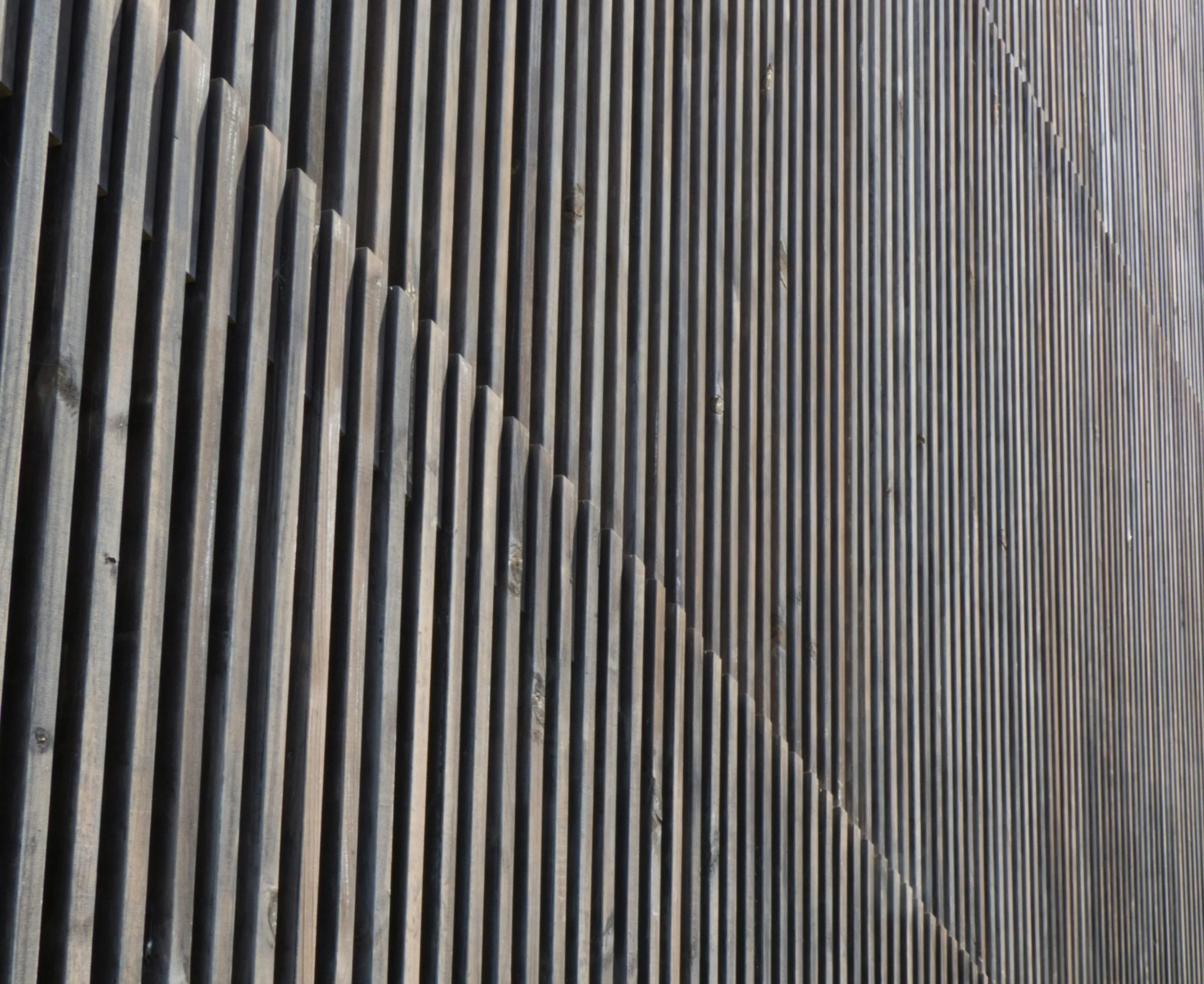
Short answer: Pine is affordable and easy to work with, oak gives a durable and premium expression, MDF is stable and perfect for paint, while hardwoods such as ash and walnut give the most character. Choose based on where the wall will go, your budget, and the look you want.
When you plan a slat wall, the material matters just as much as the design. Different wood choices change the look, price, durability, and the kinds of spaces the wall will suit.
This guide looks at some of the most common options and helps you find the right fit for your project.
1. Pine: budget-friendly and easy to work with
Advantages
- affordable and widely available
- easy to cut and install
- takes stain and paint well
Disadvantages
- softer wood that can dent more easily
- not as premium-looking as hardwoods
Best for you if: you want a flexible, lower-cost material for an indoor wall.
2. Oak: premium and timeless
Advantages
- beautiful natural expression
- durable and long-lasting
- often needs relatively little treatment
Disadvantages
- more expensive than pine and MDF
- heavier and a bit more demanding to work with
Best for you if: you want a lasting solution with a warmer, more elevated feel in spaces such as living rooms, entryways, or bedrooms.
3. MDF: stable and straightforward
Advantages
- stable and dimensionally consistent
- smooth surface that paints well
- affordable and easy to work with
Disadvantages
- not real wood
- not suited to damp rooms
Best for you if: you want cleaner lines and a painted finish in a specific color.
4. Ash, walnut, and other hardwoods
Advantages
- unique color and grain patterns
- more character and presence
Disadvantages
- more expensive and sometimes harder to source
- often requires special ordering
Best for you if: you want a more distinctive result and have a slightly higher budget.
Tips when choosing the material
- think about where the wall will go and how exposed it will be to moisture or wear
- decide whether you want to treat the surface and what kind of finish you are after
- compare samples before you decide, because room lighting changes how wood reads in practice
Summary
| Material | Look | Price level | Best suited for |
|---|---|---|---|
| Pine | Natural, Nordic | Low | Simpler rooms, DIY builds |
| Oak | Warm, premium | High | Living rooms, entryways, design-led interiors |
| MDF | Painted, clean | Low to medium | Modern interiors, tighter budgets |
| Ash or walnut | More character | High | Distinctive one-off projects |
If you are choosing between the two most common options, it can help to read more about MDF vs. solid wood for a slat wall. Once the wood is decided, you should also think about finishing the slats with oil, stain, or lacquer.
Slat walls are not just about appearance. The material affects both the budget and the finished result. Use our slat wall calculator to estimate how much material you need no matter which option you choose.
Frequently asked questions
Which wood species is cheapest for a slat wall?
Pine is normally the most affordable solid-wood option and is easy to cut and install yourself. MDF is also low in price and works well if you want a painted surface.
Which wood species is most durable?
Oak and hardwoods such as ash and walnut have high wear resistance and a long lifespan. Oak also needs little treatment and handles use in high-traffic rooms.
How many slats do I need regardless of wood species?
The count depends on wall width, slat width, and spacing, not on the wood species. On a reference wall of 240 cm with 48 mm slats and an 18 mm gap (66 mm coverage), that is around 15 slats per metre, so 37 slats and about 97.7 linear metres with a 10% allowance for cutting and waste.