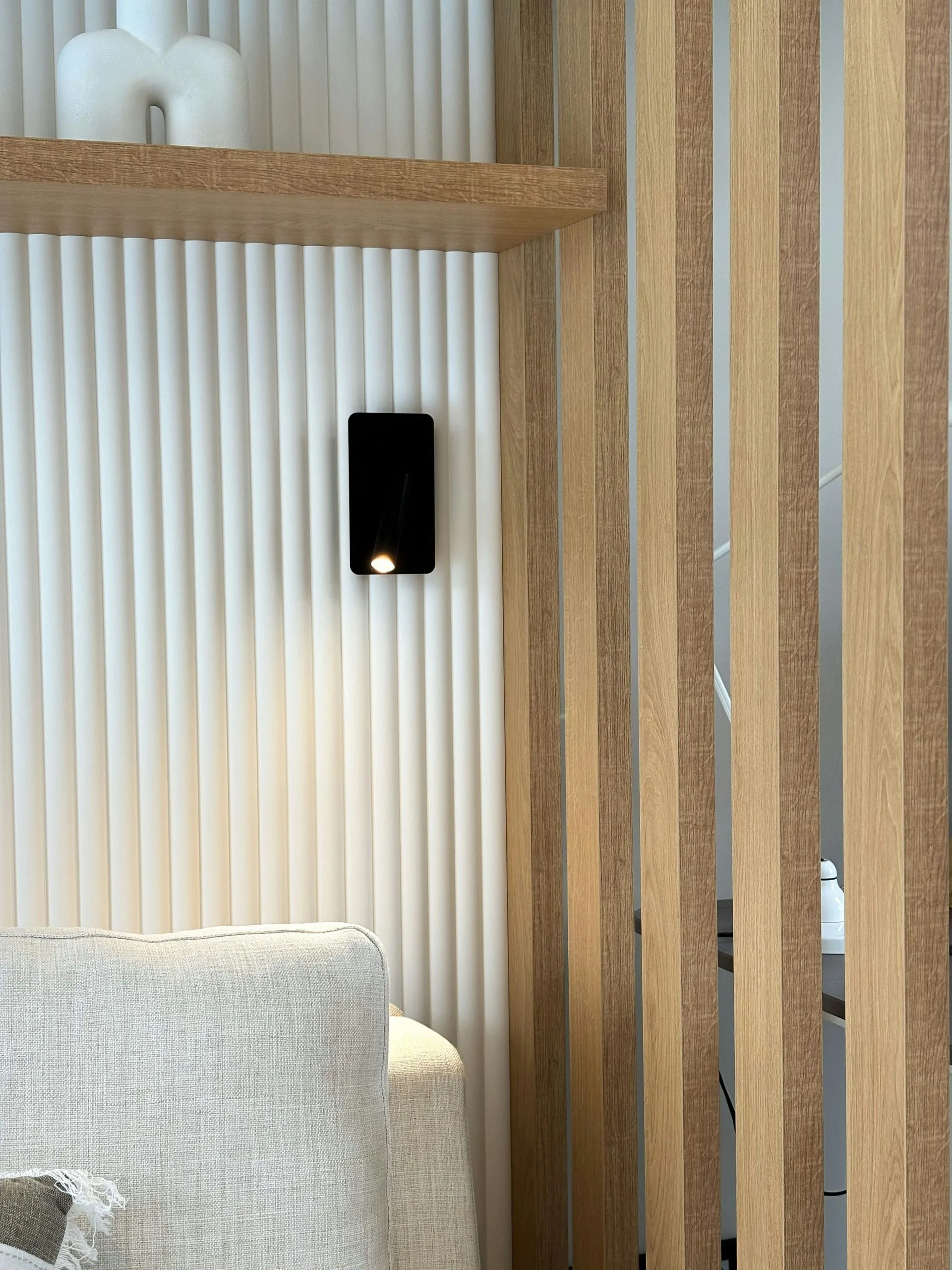
The slat trends for 2026 point toward narrower slats with a tighter rhythm, low-maintenance materials, natural tones over strong contrast, and slats as function rather than pure decoration. One example: a 240 cm wall with 48 mm slats and an 18 mm gap gives 37 slats and roughly 97.7 linear metres once you add 10% for waste.
Slats have become one of the most widely used elements in modern interiors and outdoor design. In 2026, the use of slats feels even more considered, both in terms of material choice, expression, and function. Whether the project involves new interior zones, railings, privacy screens, decorative surfaces, or facades, a few clear directions stand out.
Narrower slats and a tighter rhythm
The look in 2026 moves toward something more refined and cohesive. Narrower slats combined with more even and tighter spacing create a more architectural expression than older setups with wider slats and larger gaps. This kind of layout improves privacy while still allowing light and air through. The result often feels calmer and more balanced, both on facades and in outdoor spaces.
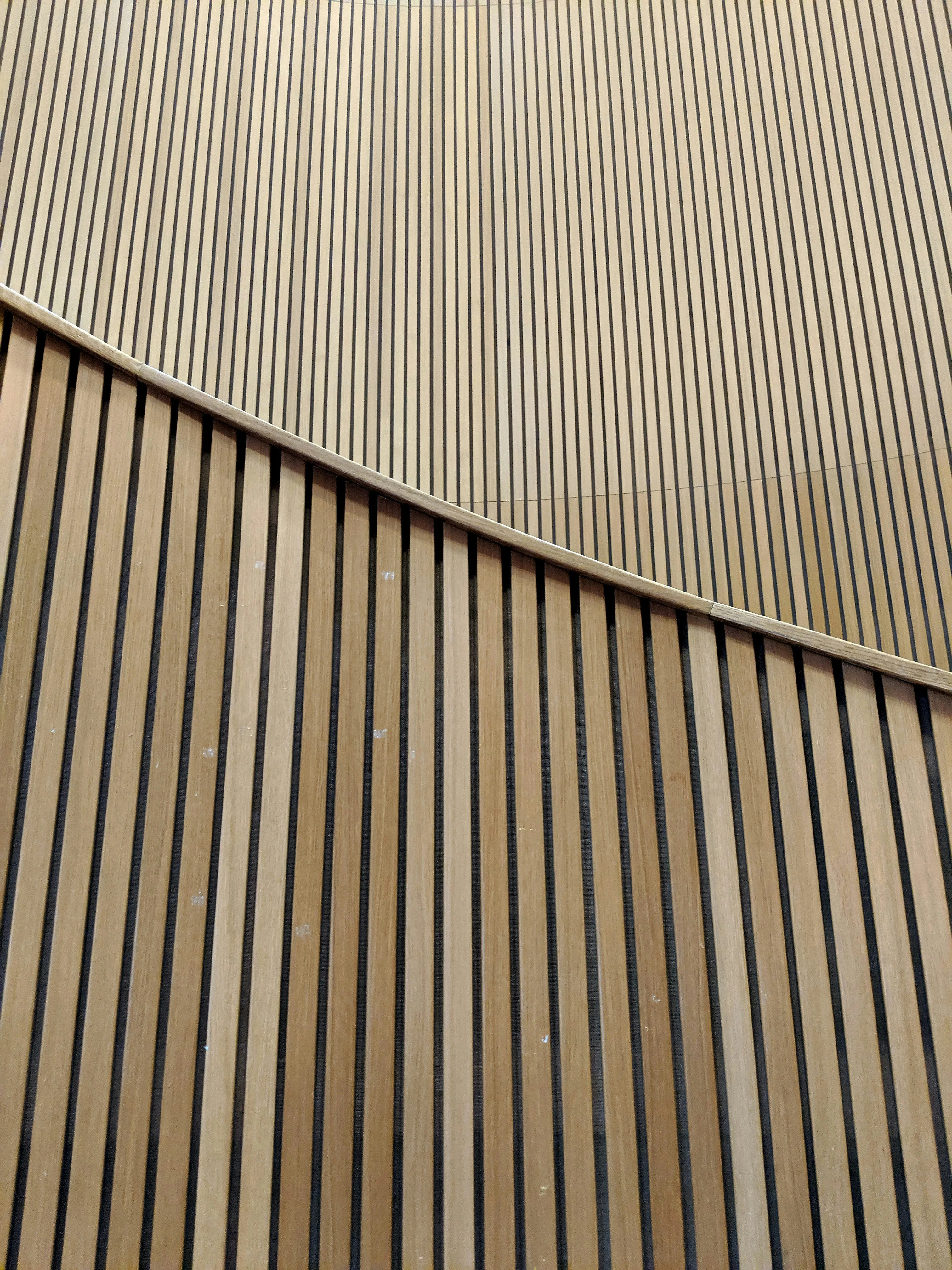
More focus on lower-maintenance solutions
Maintenance plays a larger role in how new slat projects are planned. In 2026, more people choose materials that reduce the need for regular treatment while still keeping a natural and contemporary feel. Composite slats are used more often where long-term stability matters, while thermally modified wood remains popular for those who want real timber with better resistance to moisture and decay. Pre-finished slats with a longer expected lifespan also continue to gain ground, especially in more exposed outdoor settings.
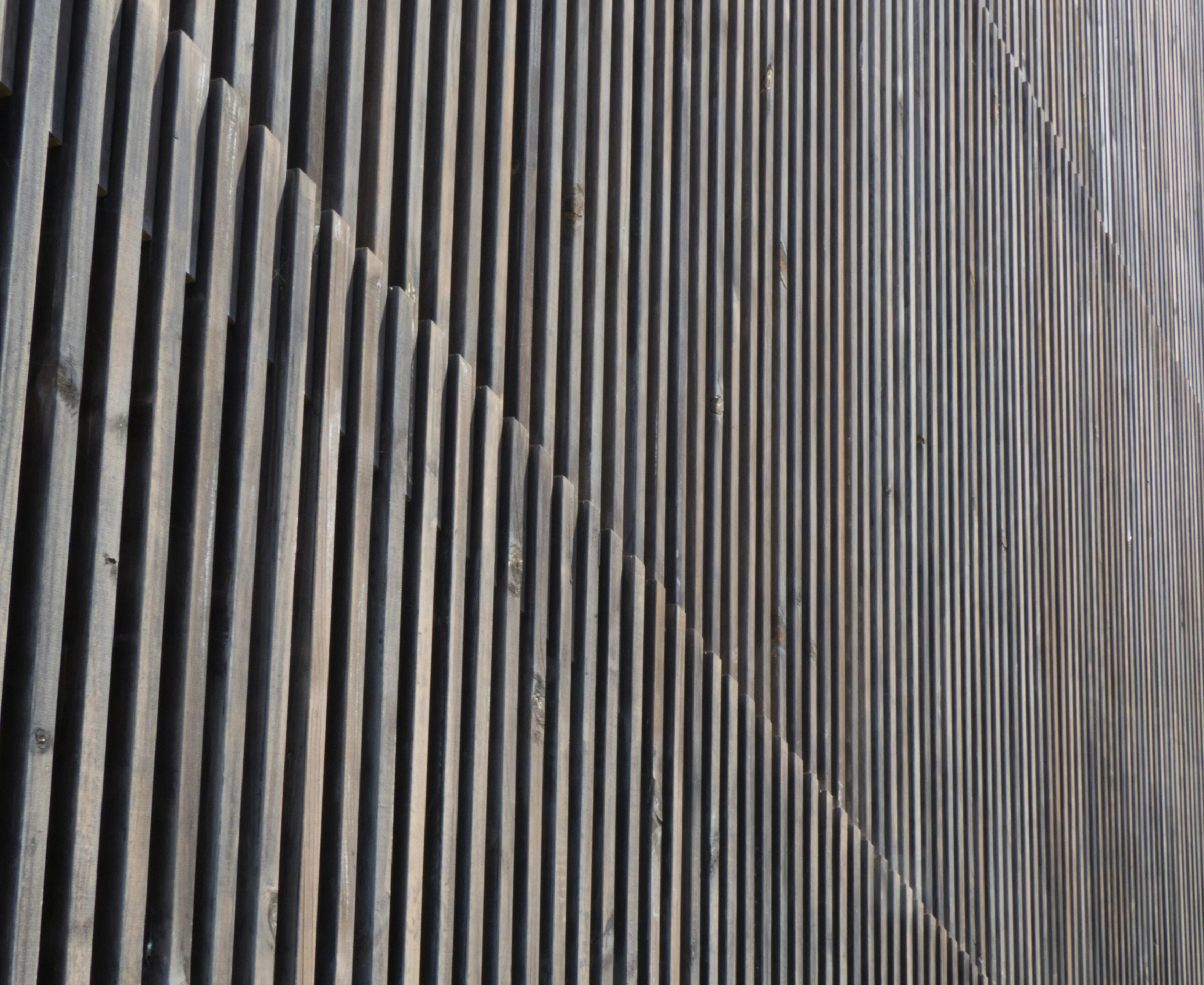
Natural tones over stronger contrast
Where stronger contrast was once a defining move, 2026 leans more clearly toward muted and natural color palettes. Warm browns, gray tones, and natural wood colors feel more in step with their surroundings. Slats that age well and develop an even patina are often preferred over surfaces that need repeated refinishing to stay visually uniform year after year.
Slats used for function, not just decoration
In 2026, slats are increasingly used as functional elements rather than purely visual ones. They appear as sun screening on patios and balconies, as wind filters that still allow light through, and as a way to divide outdoor areas into calmer zones. Many also choose slats for privacy without losing openness. Once slats take on a clear function, the spacing, dimensions, and placement become much more important.
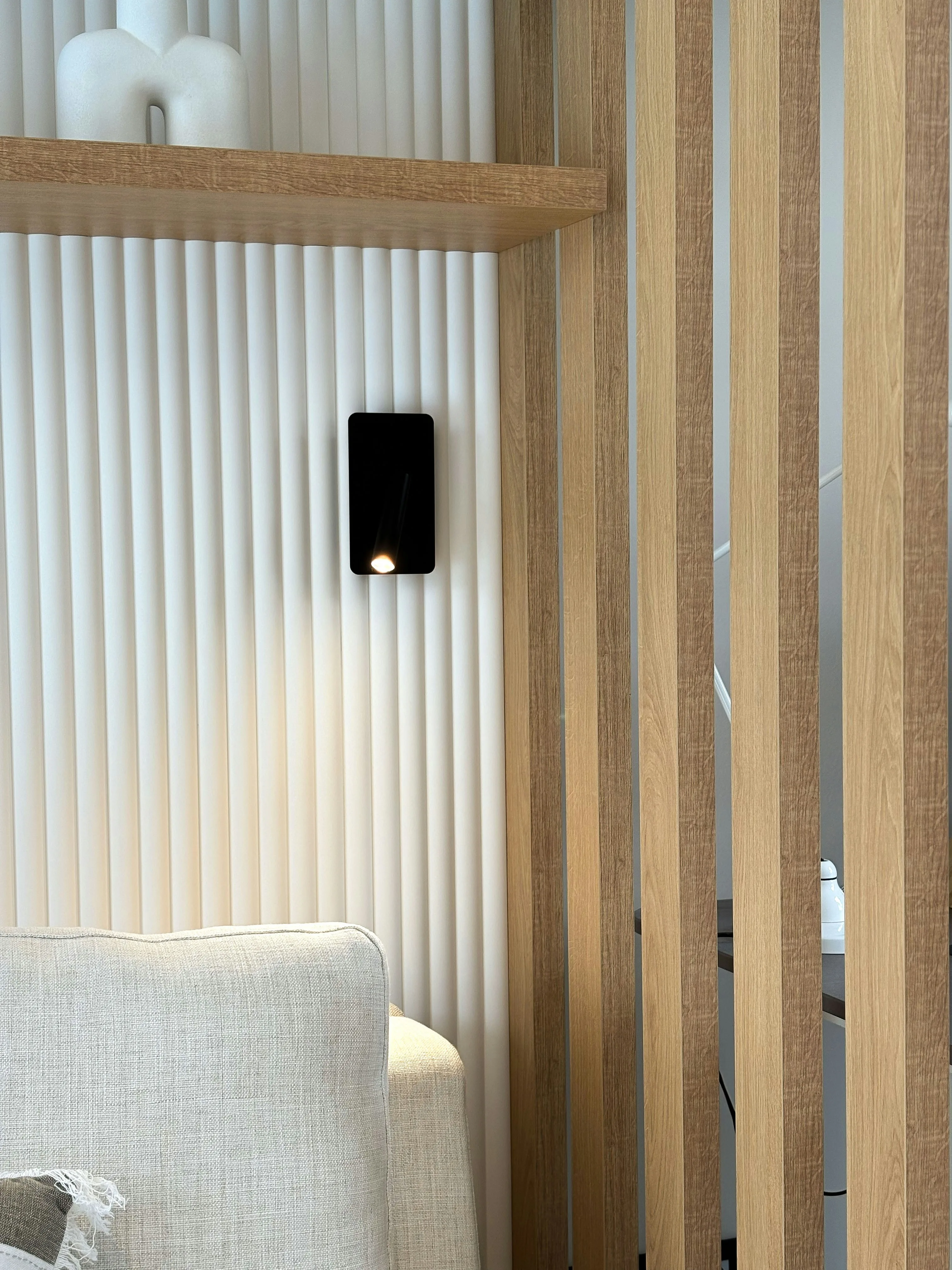
In 2026, slats are about deliberate choices
Slat wall trends in 2026 point toward more thoughtful solutions where appearance, function, and lifespan are closely connected. Instead of following quick trends, more people choose solutions that work visually and practically even after years of use. Materials that can handle the climate, dimensions that balance privacy and openness, and colors that age gracefully all matter more than before.
Slats are no longer just a design detail. They have become part of how interior and exterior environments are actually used. When the decisions are made early and with a clear purpose, the result usually lasts longer and feels easier to live with.
If you want to put the trends into practice, read about which wood species work best or 10 ways to use slat walls. Browse more in the article library or try our slat wall calculator.
Frequently asked questions
What is the most important slat trend in 2026?
The clearest trend is narrower slats with a more even and tighter spacing, which gives a more architectural look and better screening without shutting out light and air.
Which materials are popular for slats in 2026?
Low-maintenance solutions are on the rise: composite for stability, thermally modified wood for moisture resistance, and pre-finished slats with a long lifespan for exposed outdoor areas.
How tightly should the slats sit for a modern look?
A tight rhythm is on trend, but the spacing should suit the purpose. With 48 mm slats and an 18 mm gap you get around 15 slats per metre, a balanced starting point between privacy and openness.